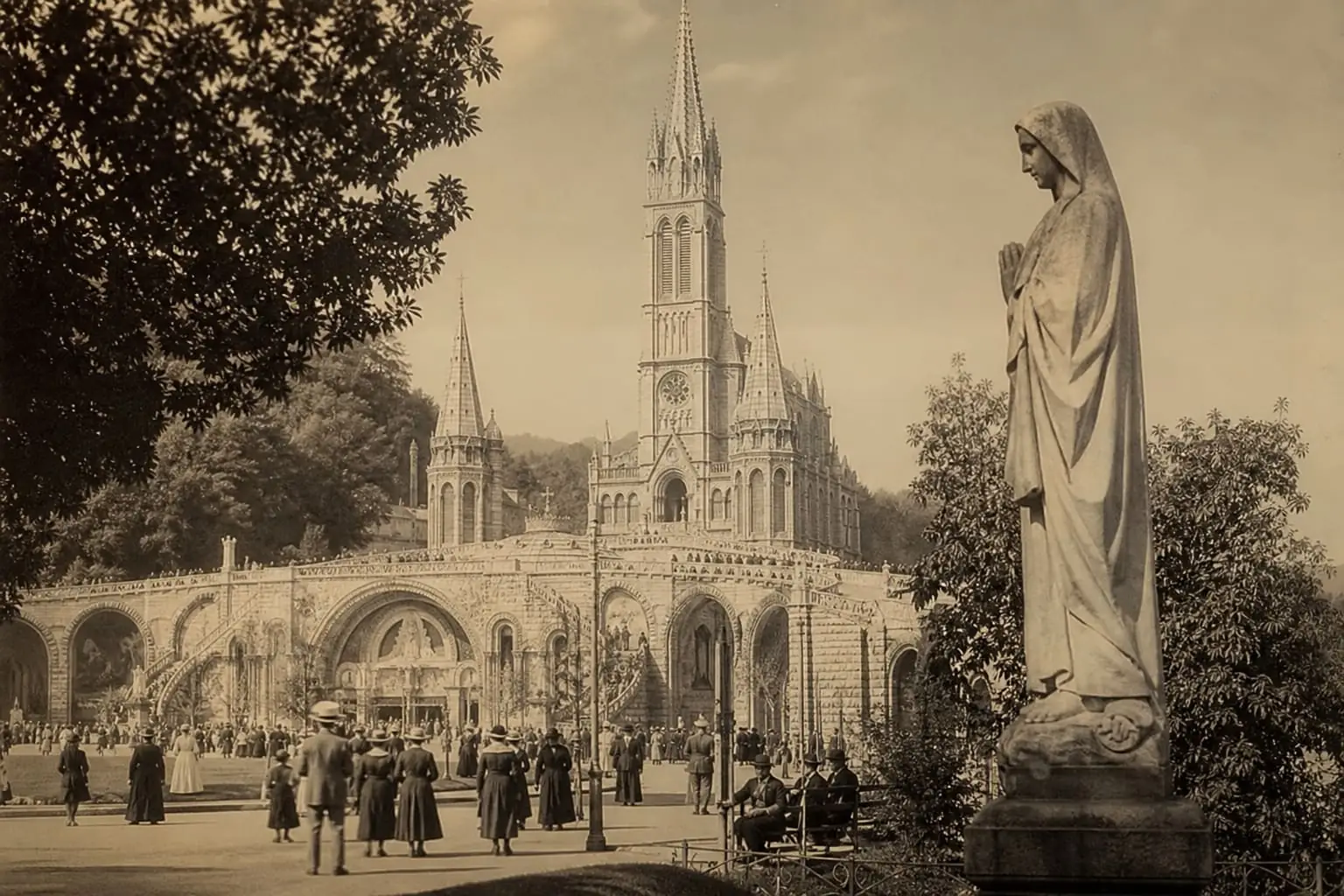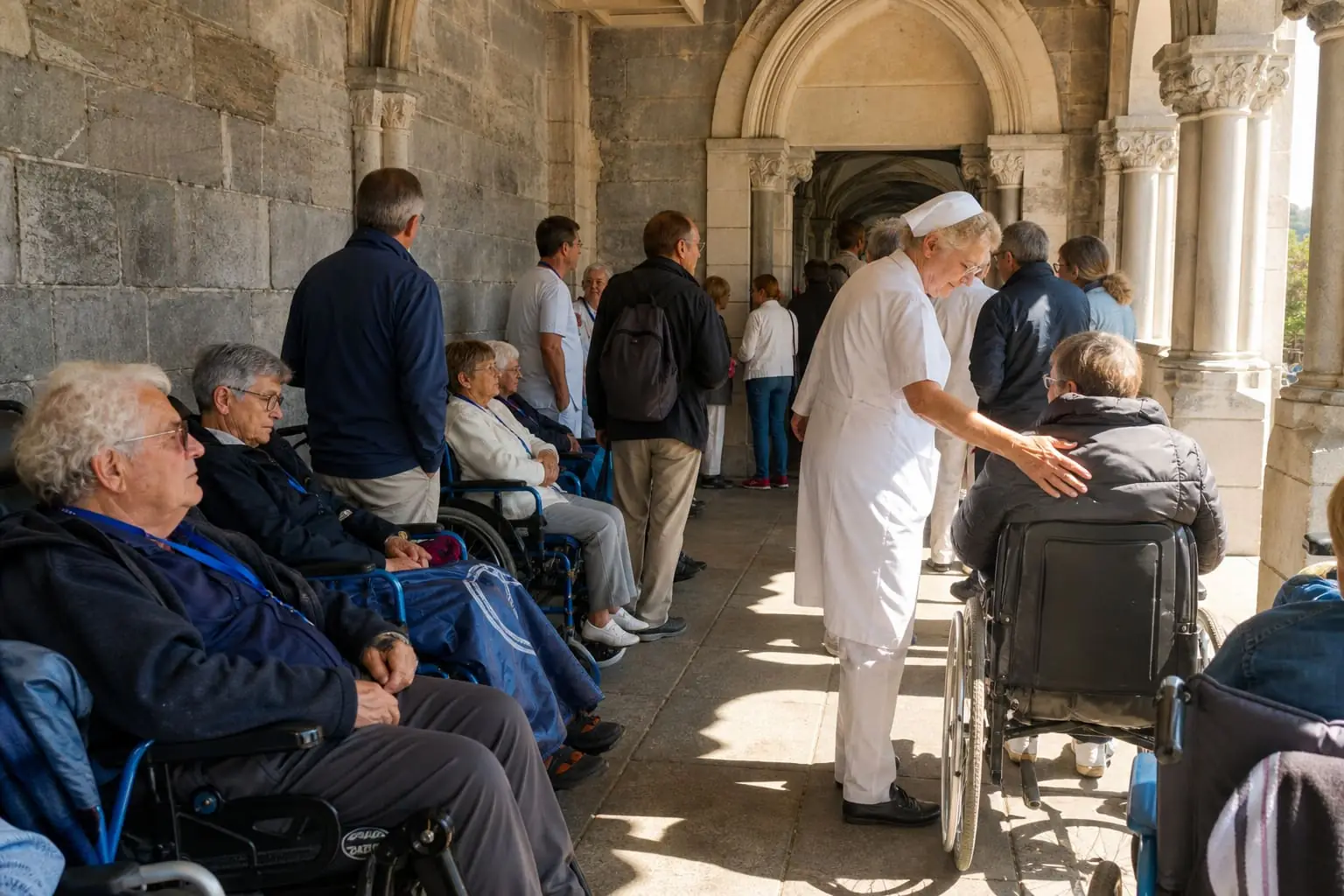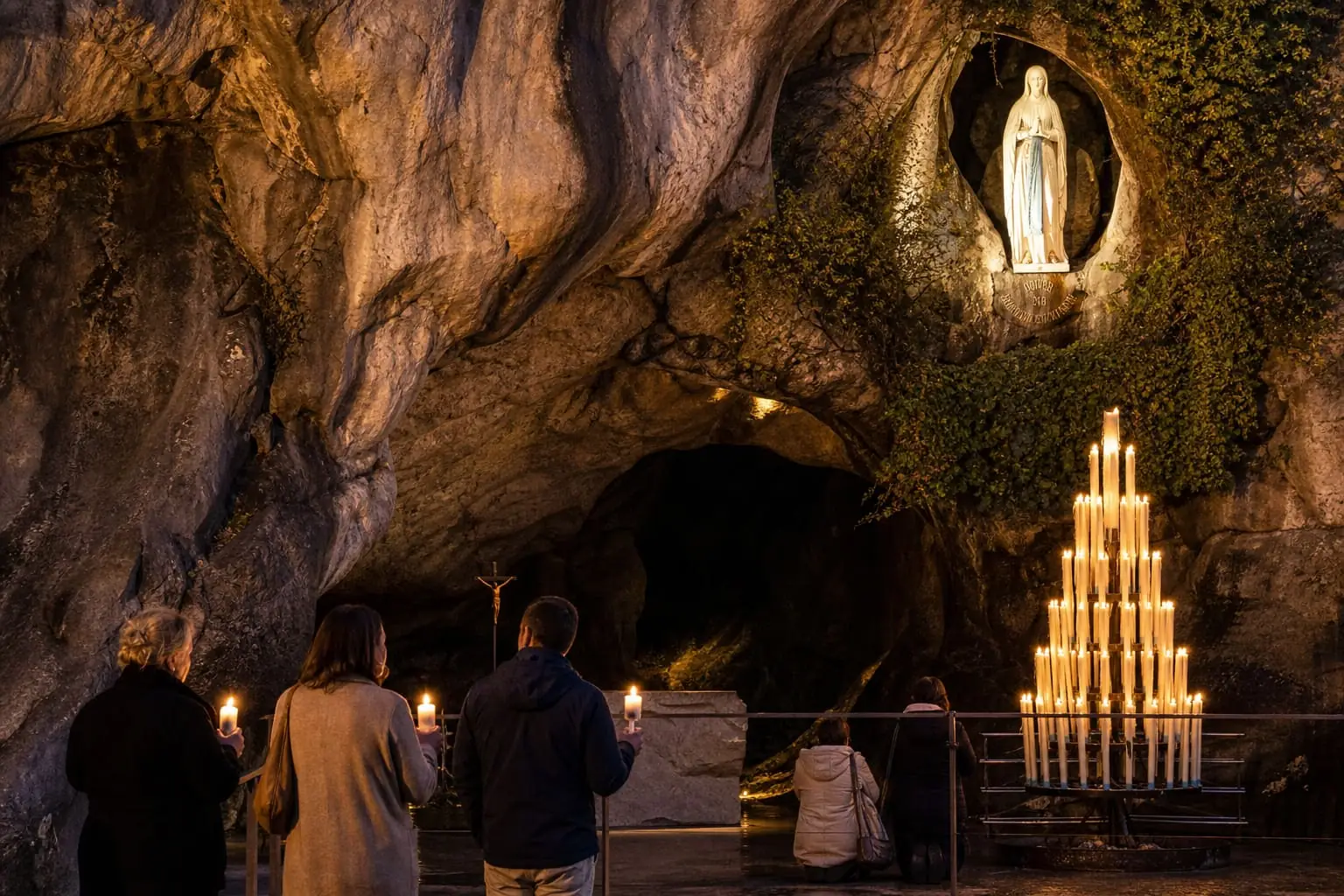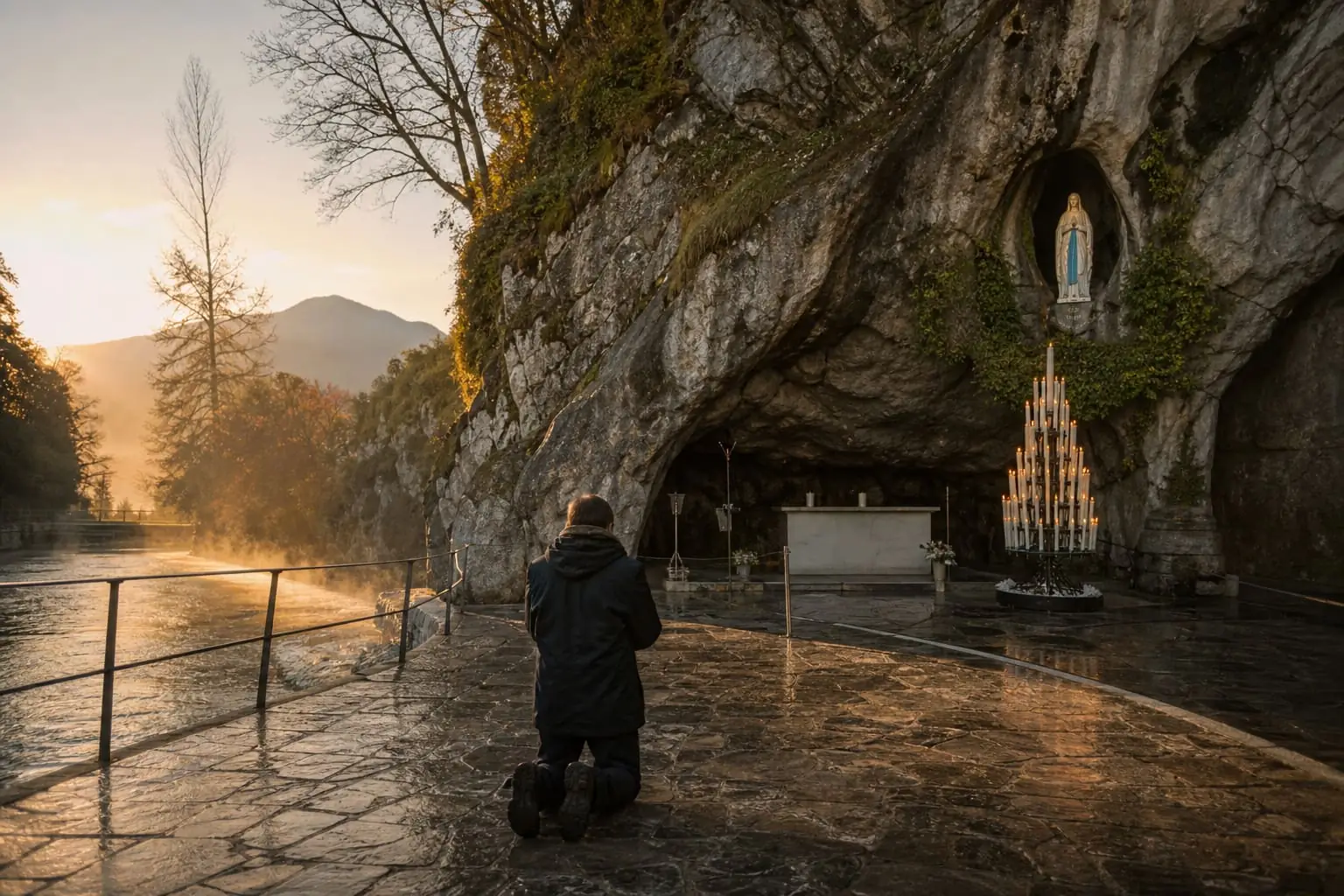
Lourdes has officially recognised 70 miraculous cures since 1858. This is a remarkable figure, but equally remarkable is the rigour of the process by which those 70 are identified from the tens of thousands of reported healings. The Lourdes Medical Bureau applies criteria so stringent that most mainstream scientists acknowledge they are fair. Here is how the process works.
The Lourdes Medical Bureau
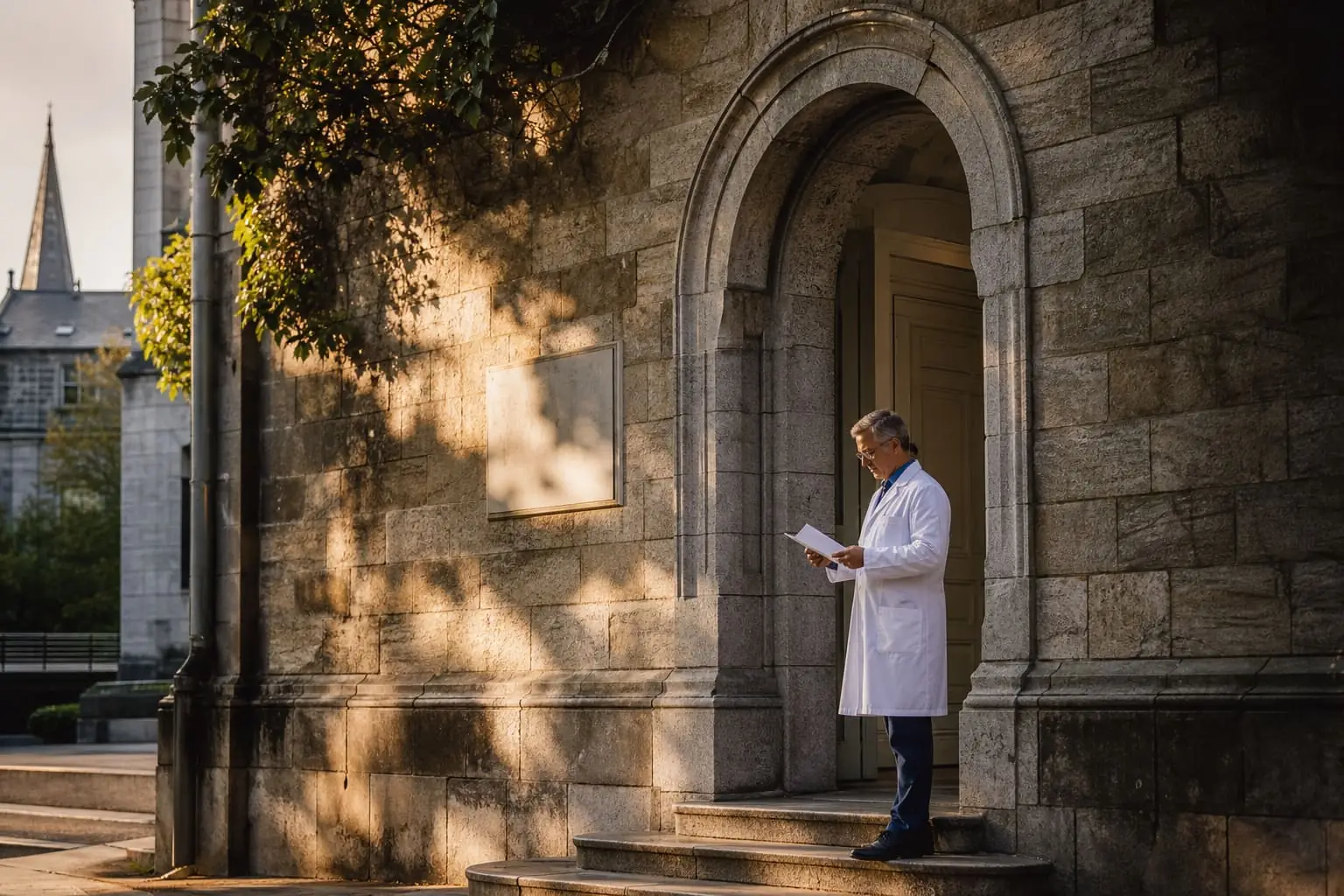
The Lourdes Medical Bureau (Bureau Médical de Lourdes) was founded in 1883 by a young physician named Pierre-Gustave Boissarie. From the beginning, Boissarie's aim was to apply the strictest possible medical standards to claims of miraculous healing. The Bureau today is an independent medical institution staffed by physicians of all faiths and none. Any doctor may attend a case review at Lourdes, of any national background, faith, or lack thereof. Cases are assessed by the available medical facts alone.
The Criteria for Investigation
For a healing to be considered by the Medical Bureau, several conditions must be met: the disease must have been diagnosed with certainty by conventional medical means; there must be evidence that conventional medicine had failed or could not explain the cure; the healing must be sudden, complete, and lasting (the person must remain healthy for a period of years after the claimed healing); there must be no other plausible medical explanation for the recovery. These are stringent criteria. Most reported cures fail one or more of them.
The Three-Stage Process
Cases that pass initial Bureau scrutiny are referred to the International Medical Committee of Lourdes (CMIL), a body of 25 medical experts. The CMIL investigates whether the healing is "inexplicable in the current state of medical knowledge." If the CMIL concurs, the case is then submitted to the bishop of the healed person's diocese, who appoints a canonical commission. Only if this commission determines that the healing is truly miraculous, an act of God beyond natural explanation, is it officially recognised. This typically takes between 10 and 40 years from the original healing.
Notable Recognised Miracles
The 70 recognised miracles span conditions including tuberculosis, bone cancer, blindness, paralysis, Addison's disease, multiple sclerosis, and conditions affecting internal organs. The most recent recognised miracle is that of Sister Bernadette Moriau in 2008, a French nun suffering from cauda equina syndrome, who experienced a sudden and complete healing at Lourdes and was officially declared miraculous in 2013 by the Bishop of Beauvais.
Beyond the 70
The 70 officially recognised miracles represent only a fraction of the healings reported at Lourdes. Over 7,000 "unexplained cures" have been documented in the Bureau's records, cases where no medical explanation could be found but which did not proceed to full canonical investigation. Many more pilgrims report inner healings, of grief, anxiety, addiction, spiritual desolation, that leave no trace in medical files but are no less real to those who experience them. The question of what makes something miraculous remains, appropriately, beyond the power of any medical committee to fully resolve.
Ready to plan your Lourdes pilgrimage?
Our team will build a personalised itinerary and send you a free quote within 1 hour.
Request Free Quote